
Drive out of Metro Manila in almost any direction, and sooner or later, you will pass a gated compound of factories, call centers, or warehouses that looks distinctly different from the businesses around it: newer buildings, better roads, and its own security and utilities. That is an economic zone, and the difference is not merely cosmetic.
Companies inside these zones operate under a separate set of tax rules and customs procedures, and in some cases, under an entirely separate local government structure. These arrangements are designed to make the Philippines more competitive for export-oriented investment.
For a foreign entrepreneur deciding where and how to set up, understanding what these zones offer, and which one fits, can be as important as choosing the right business structure.
The Main Economic Zone Systems in the Philippines
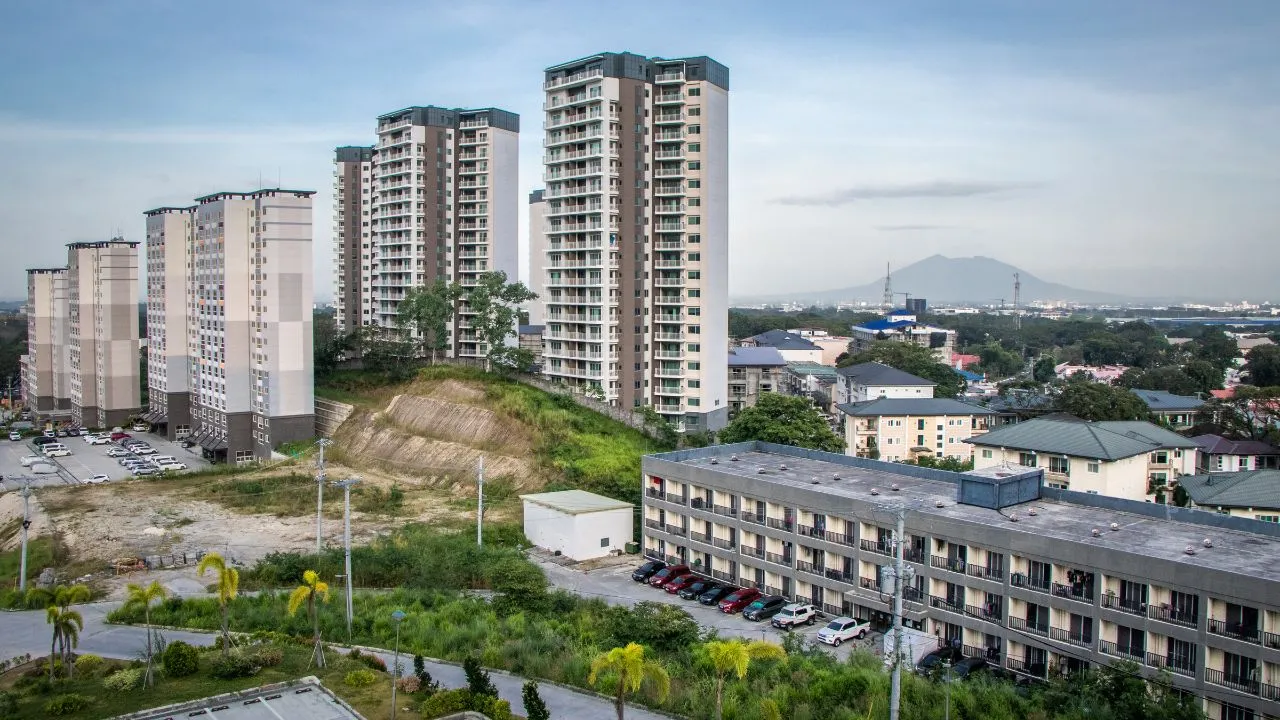
Two overlapping but distinct systems administer Philippine economic zones. The Philippine Economic Zone Authority (PEZA), created under the Special Economic Zone Act of 1995 (Republic Act No. 7916), oversees the largest network, with hundreds of zones and registered enterprises nationwide. These zones are privately developed and PEZA-administered rather than operated by a single overarching government body.
Separately, several regions operate as Freeports with their own charters and zone authorities. These generally cover former US military bases and other strategically located areas, including the Subic Bay Freeport Zone (Subic Bay Metropolitan Authority), the Clark Freeport Zone (Clark Development Corporation), the Cagayan Special Economic Zone and Freeport (Cagayan Economic Zone Authority), the Zamboanga City Special Economic Zone, the Aurora Pacific Economic Zone, and the PHIVIDEC Industrial Estate in Misamis Oriental, among others.
Each Freeport has its own governing law and authority responsible for processing registrations. As a result, specific incentives and rules can vary, even though the broader approach is similar across these zones: tax incentives and simplified customs procedures in exchange for export-oriented or otherwise qualifying investment.
What Types of PEZA Economic Zones Are Available?
PEZA does not operate a single type of economic zone. It registers several distinct categories, each designed around a different type of activity:
- Manufacturing and industrial economic zones: The traditional ecozone model, hosting factories and industrial production across sectors ranging from electronics to garments and food processing.
- IT centers and IT parks: Purpose-built or converted office spaces for information technology and business process outsourcing (IT-BPM) companies, software development, and other digital services. This category has grown into one of PEZA’s largest by employment as the Philippine BPO industry has expanded.
- Agro-industrial economic zones: Focused on agricultural production and processing, often located near the farming regions that supply them.
- Tourism economic zones: Registered tourism enterprises, such as resorts and tourism-related facilities, developed to attract visitors and the investment that supports them.
- Medical tourism zones: Built around healthcare and medical tourism infrastructure, a category that has expanded as the Philippines has positioned itself as a regional medical tourism destination.
- Retirement economic zones: Facilities catering specifically to foreign retirees, often coordinated with the Philippine Retirement Authority’s SRRV program described elsewhere in this series.
- Facilities economic zones: Zones built around specific shared infrastructure or facility types rather than a single industry category.
The category determines not only where a company can locate, but also which activities may qualify for zone incentives. A manufacturing company, for example, cannot simply set up in an IT park and expect the same registration and incentives to apply.
How Do the Major Freeports Differ From One Another?
Because each Freeport operates under its own charter, the major Freeports have developed distinct characteristics rather than functioning as interchangeable versions of the same model.
Subic Bay Freeport Zone, built on a former US naval base in Zambales, has developed into a hub for shipbuilding, ship repair, logistics, and manufacturing, supported by its natural deep-water port and existing industrial infrastructure.
Clark Freeport Zone, located on a former US Air Force base in Pampanga, has developed around Clark International Airport as a center for aviation-related industry, logistics, and a growing IT and business process footprint. It is positioned as a lower-congestion alternative to Metro Manila.
Cagayan Special Economic Zone and Freeport, in the country’s far north, has taken a different path, developing a significant gaming and tourism-oriented economy alongside more conventional trade and manufacturing registrations.
Zamboanga City Special Economic Zone and the PHIVIDEC Industrial Estate in Misamis Oriental lean more toward agro-industrial and fisheries-based investment, reflecting Mindanao’s broader economy. Meanwhile, newer zones such as the Aurora Pacific Economic Zone are still developing their identity and tenant base.
The practical takeaway is that choosing a Freeport is rarely a neutral decision. Each location’s existing industrial ecosystem can influence the types of investment best suited to the zone.
What Incentives Do Registered Companies Receive?

The incentive package for PEZA- and Freeport-registered enterprises has been reshaped twice in recent years, first by the Corporate Recovery and Tax Incentives for Enterprises (CREATE) Act of 2021 and again by the CREATE MORE Act (Republic Act No. 12066), signed into law in November 2024. The current framework includes several key incentives.
Income Tax Holiday
Newly registered projects generally qualify for an income tax holiday of several years, commonly structured around four to seven years depending on the project’s location and industry tier. During this period, the enterprise pays no corporate income tax on income from the registered activity.
A Choice of Tax Regime After the Holiday
Once the holiday period ends, a registered enterprise generally has two paths: a special corporate income tax of 5% on gross income earned, paid in lieu of all national and local taxes, or the Enhanced Deductions Regime, which applies the regular corporate income tax rate while allowing additional deductions on top of ordinary business expenses.
CREATE MORE expanded the enhanced deduction for power expenses to 100% of the cost, up from 50%, along with deductions for items such as trade fair participation. Which option makes more sense depends heavily on the company’s cost structure, particularly for power-intensive operations.
VAT and Duty Treatment
Registered enterprises generally receive duty-free importation of capital equipment and raw materials for the registered activity, along with VAT zero-rating on local purchases of goods and services directly attributable to that activity. CREATE MORE specifically extended this treatment to categories such as janitorial, security, financial, consultancy, and marketing services, and expanded zero-rating further for larger “high-value” domestic market enterprises.
A Simplified Local Tax Option
CREATE MORE also introduced the option for a registered enterprise to pay a local tax of up to 2% of gross income in place of most other local taxes and fees during its incentive period. This can simplify the local tax obligations of companies that previously had to navigate a range of local government charges alongside national incentives.
Work-from-Home Flexibility
For years, PEZA generally required registered IT-BPM companies to keep staff working on-site to preserve their fiscal incentives. This became an increasingly awkward rule after the pandemic normalized remote work across the industry.
CREATE MORE addressed this by allowing registered enterprises in economic and Freeport zones to let up to 50% of their workforce work from home without losing their incentives. This represents a compromise between industry demand for flexibility and concerns about occupancy in the commercial real estate developed around these zones.
Non-Fiscal Incentives
Beyond tax treatment, registered enterprises typically benefit from simplified import and export documentation, the ability to employ foreign nationals in supervisory, technical, or advisory roles connected to the registered activity, and access to visa facilitation for qualifying foreign personnel. These provide additional convenience alongside the standard visa categories available to foreign nationals.
| Durée | Définition |
|---|---|
| Enhanced Deductions Regime | A tax incentive regime that allows qualifying enterprises to claim additional deductions from taxable income beyond ordinary business expenses, subject to the applicable rules and limitations. |
| VAT Zero-Rating | A VAT treatment under which qualifying transactions are subject to a zero percent VAT rate, allowing the transaction to remain within the VAT system without imposing output VAT on the sale. |
| Gross Income | The total income or revenue recognized before deducting applicable expenses, costs, or other deductions. |
How Should Foreign Investors Choose an Economic Zone?
For most foreign investors, the decision is not simply whether to choose a PEZA zone or a Freeport. It is about identifying the specific zone that fits the business.
Several practical factors should be considered, including whether the activity is export-oriented enough to qualify in the first place, whether the zone’s existing tenant mix matches the industry, proximity to the ports, airports, and labor pool the business requires, and the specific administering authority’s track record in processing registrations and providing support.
PEZA registration has traditionally focused on enterprises that sell most of their output abroad, particularly for the most favorable incentive tier. Therefore, you must assess the nature of the business activity alongside the requirements of the intended zone.
Remember that zone registration and business registration are two separate steps. A company still incorporates through the standard SEC process and then separately registers its qualifying project with PEZA or the relevant Freeport authority to access the applicable incentives.
ILA Global Consulting can assist foreign investors in assessing business structures, economic zone options, registration requirements, and related compliance considerations when establishing operations in the Philippines.
Getting the sequencing and qualifying-activity classification right at the outset can help avoid the more complicated process of restructuring an already operating business to fit zone requirements later.
Why Should Investors Verify the Current Economic Zone Rules?
Between the CREATE Act, its CREATE MORE amendment, and the periodic updates each zone authority makes to its own implementing rules, specific figures in this guide, including holiday lengths, deduction percentages, and the work-from-home cap, are the kind of details that can shift as policy continues to evolve. This reflects the government’s ongoing effort to keep the incentive regime competitive with neighboring investment destinations such as Vietnam and Indonesia.
Investors should therefore treat the categories and general mechanisms as the more durable aspects of the framework and confirm current figures with PEZA, the relevant Freeport authority, or the specific registration agreement before finalizing an investment plan.
Planning to establish a business in a Philippine economic zone? Contact ILA Global Consulting Philippines for assistance with structuring your investment, navigating registration requirements, and understanding the compliance obligations that apply to your project.
Questions fréquemment posées
PEZA zones are administered by the Philippine Economic Zone Authority under the Special Economic Zone Act, while Freeports operate under their own charters and are administered by separate authorities. Both can offer tax and customs incentives, but the specific rules and benefits depend on the zone and the registered activity.
Economic zones accommodate a range of activities, including manufacturing, IT and business process outsourcing, agro-industrial operations, tourism, medical tourism, and other qualifying activities. The appropriate zone depends on the nature of the business and the activities it intends to register.
Yes. Economic zone registration does not replace ordinary business registration. A company must first incorporate through the standard SEC process and then separately register its qualifying project with PEZA or the relevant Freeport authority to access applicable incentives.
Registered enterprises can generally employ foreign nationals in supervisory, technical, or advisory roles connected to the registered activity. Qualifying foreign personnel may also access visa facilitation associated with the economic zone framework, in addition to applicable immigration requirements.
No. The specific incentive periods, tax treatment, deductions, and other benefits can change as legislation and implementing rules are updated. Investors should confirm the applicable incentives with PEZA, the relevant Freeport authority, or the specific registration agreement before making investment decisions.